

A Nation of Neighbours: rebuilding Britain from the ground up
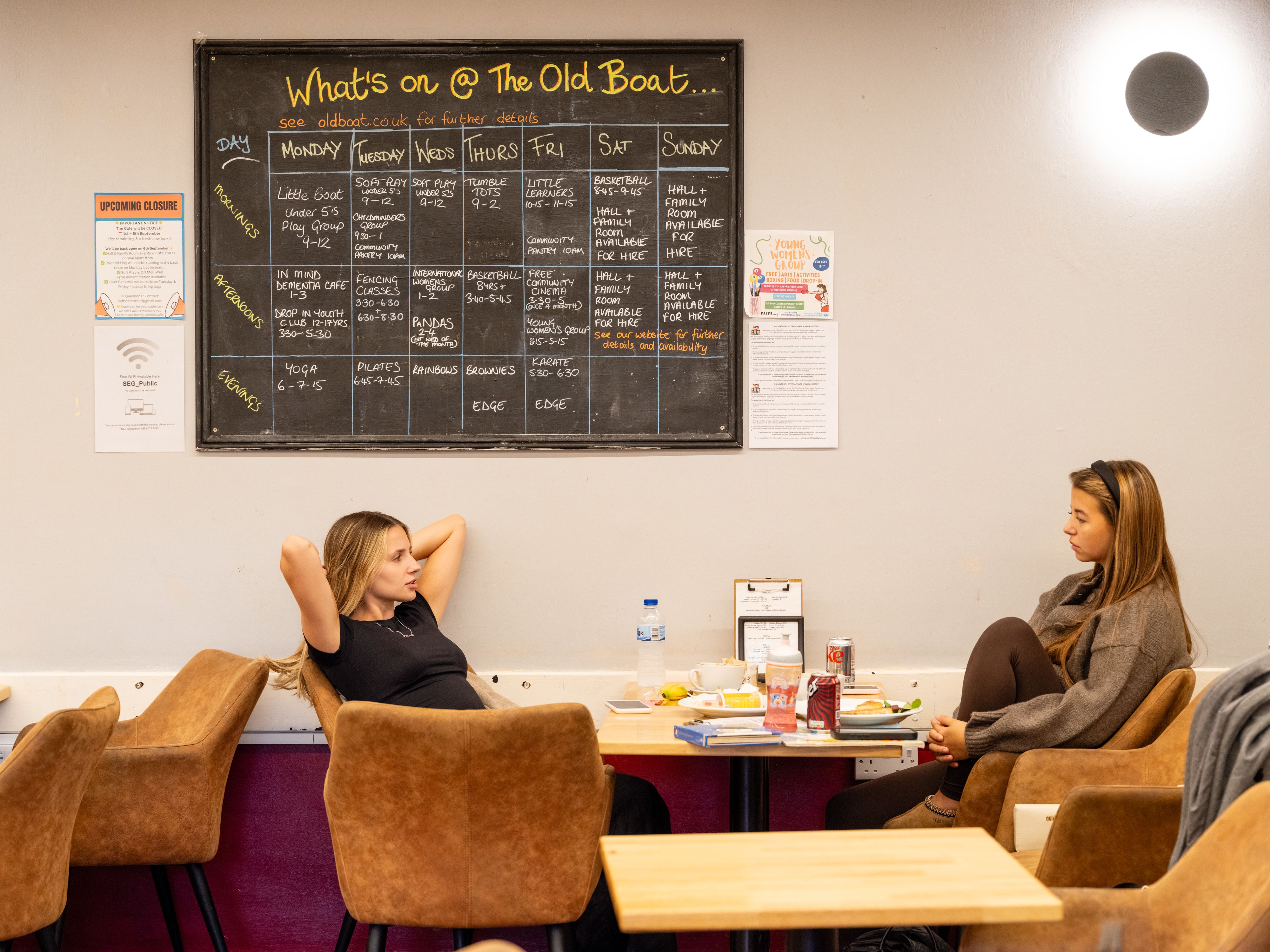

We have a long proud history of this. We are a nation that has been powered forward by communities, building with creativity, care and graft, all fuelled by a sense of shared endeavour. This country wasn’t built by elites in Whitehall. It was built by communities — with care, graft, and imagination.
From the world’s first railway lines in the early nineteenth century, the construction of the early welfare state in Welsh Valleys at the start of the twentieth, to the launch of a thousand designers in the early twenty-first, this country has been characterised by design and innovation – almost always led first by communities.
They didn’t wait for permission. They got together and built what they needed: maternity wards, youth centres, railways, design collectives. They made things happen. They still do. When the pandemic hit, it wasn’t politicians who held the country together — it was neighbours. It was volunteers. It was civil society.

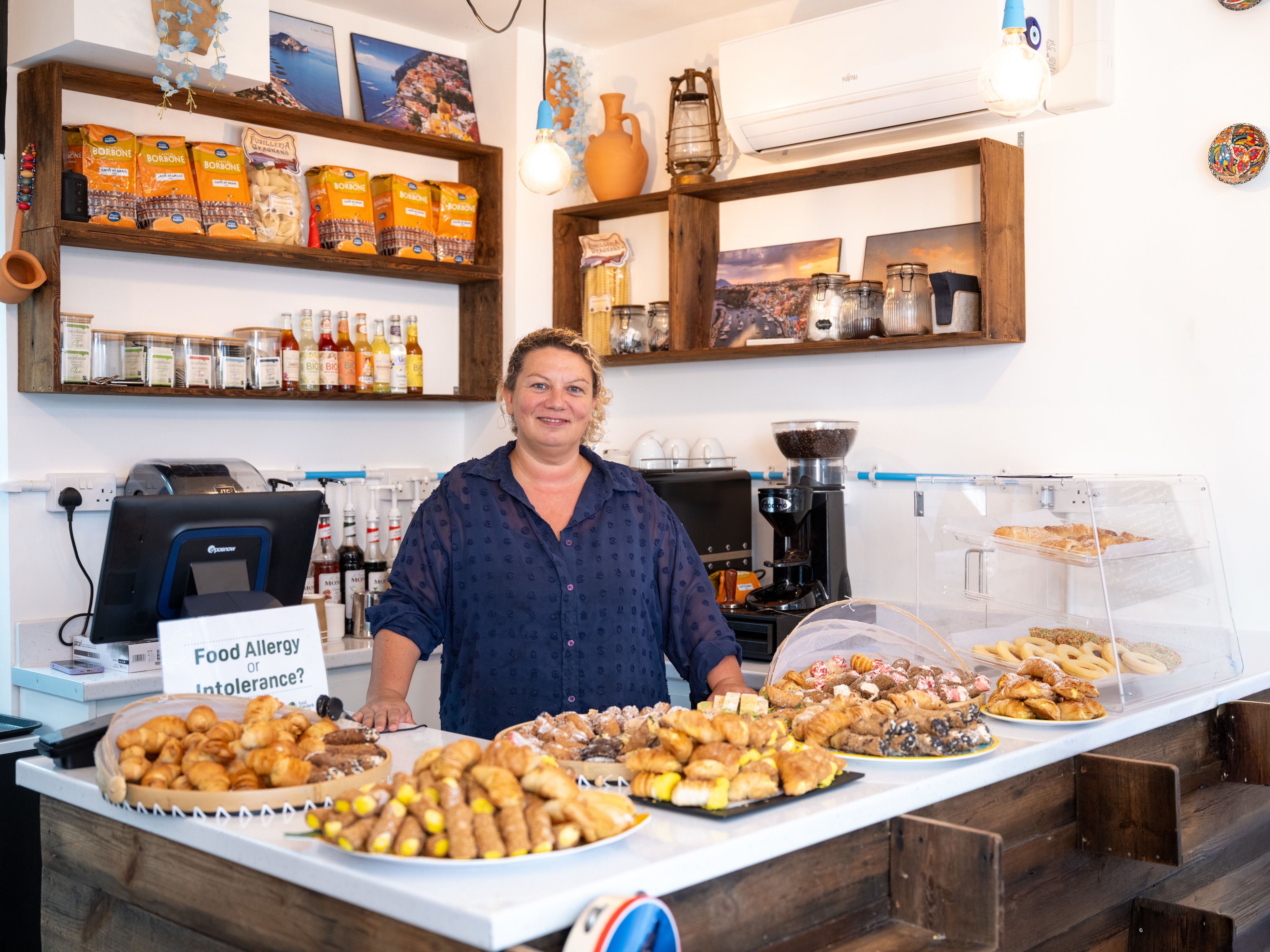
Leading by examples
Government ignores this to its cost. Civil society, made up of individual citizens, voluntary organisations, and charities - big and small - are our nation’s biggest and most undervalued asset.
And yet, time and again, governments treat communities like a barrier — something to manage or ignore. Communities aren’t the problem. They’re the answer. You can’t fix the country without the people who live in it.
There are now innovators in government who do see stronger community as the route to renewal and this government is doing much to invest in neighbourhoods - its £5bn Plan for Neighbourhood fund, £100m for the Pride in Place Fund, £100m for the Test, Learn and Grow programme and a whopping £2.2bn on Neighbourhood Health Improvement plans. There is already a policy agenda in play.
But it’s not putting this work pride of place in its agenda, finding meaningful ways to put civil society at the heart of these plans or, even more ambitiously, taking community's leads about what’s needed.
Across the country there are organisations that are ready to help in a new agenda to rebuild Britain, street by street. There is a new story to tell about our nation of neighbours, that works together for national renewal. Whether we care about public service reform, community cohesion, democratic renewal, neighbourhood regeneration, or local growth plans, we believe it starts with people in their neighbourhoods and can amount to the national renewal this country urgently needs.
This isn’t just about better policies. It’s about changing how the country works — and who it works for.
It’s not “you voted, we delivered.” It’s “we’re in this together”. If we want to see real change — in housing, public services, local growth — we have to start with people in their places, not plans made in offices.


The quiet revolution is already underway
Across the country, there are groups making change happen, from the Scouts to the Women Institute, from Camerados, Citizens UK, Locality, the Co-Op Movement - and many more. They don’t wait around for permission. They build, they adapt, they create. They’re running food banks, supporting young people, reviving local economies, designing new ways of delivering care.
Leading thinkers and practitioners, think tanks and journals, have tried to shape a counter narrative to the declinism and disbelief, rooted in the art of the possible. It’s the story that some have called Ordinary Hope, others Community Power, Relational, or Liberated, public services. People like Hilary Cottam have captured attention in wide parts of the UK and across the world, with brilliant books like Radical Help and The Work We Need. Vital scholars like Dan Honig and Margaret Levi have done the same. Inspiring organisations, new and old, including Belong, Camerados, Citizens UK, the Co-Operative Movement, Locality, Local Trust, New Local, Our Future, and Power to Change, have also led the way, making the argument, bringing people together, pushing the case.
Politicians have been inspired, have listened, and have acted. But these efforts are too often seen as “nice extras” rather than what they really are — the heart of national renewal.
Our theory of change is that there is powerful energy at the edges, as others have called it. But the edges need to become the whole. We need to flip the script. Let the communities who are already leading shape the national agenda — not the other way around.
But that takes more than funding. It takes belief. It takes a new national story — one that celebrates what’s already working, and makes space for it to grow.
Demos and UCL Policy Lab, supported by Lloyds Bank Foundation, is working to build the coalition of the willing for national renewal, and to cocreate a new story of national renewal rooted in neighbourhoods rather than the centre. Stories matter. They give a movement direction and enable united movements to act as one. They can change the role of the centre from doer to enabler. They create the license for everyone to act.
This isn’t a story the centre can write alone. Frankly, it doesn’t have the imagination or the language to do it. But communities do. That’s where we need to start.
The real opportunity of our moment is in our communities and not in Whitehall-as-usual. We have already seen that. When there is political inertia at the centre, civil society can take the lead. Government doesn’t have the capacity or imagination to change things. Communities don’t yet have the coordination or empowerment. To change this, we need a shared story to fuel us. You can’t get people behind things without a mission. So, this is the work we, together, need to do.

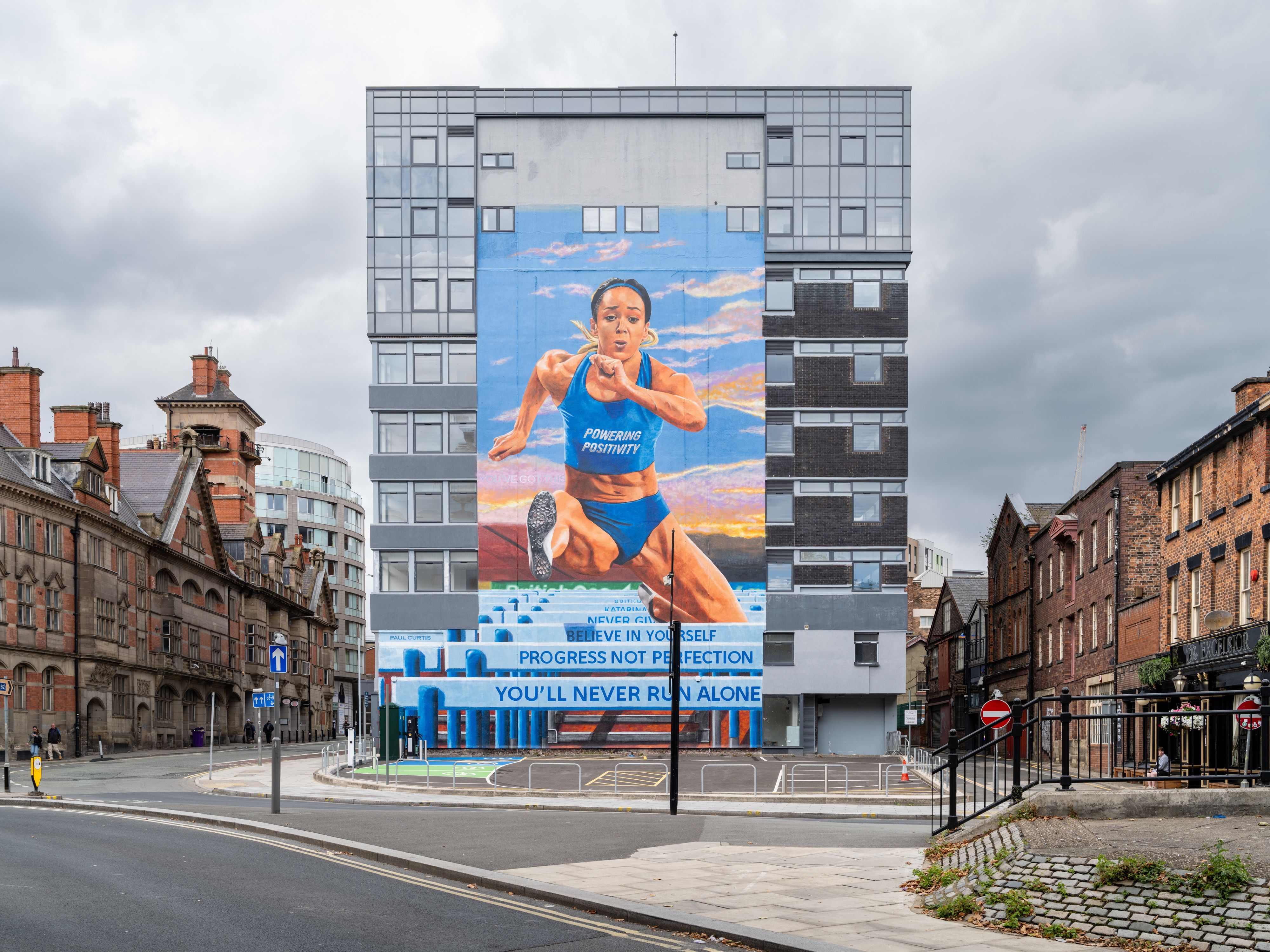
Each doing out bit to rebuild the places that we love
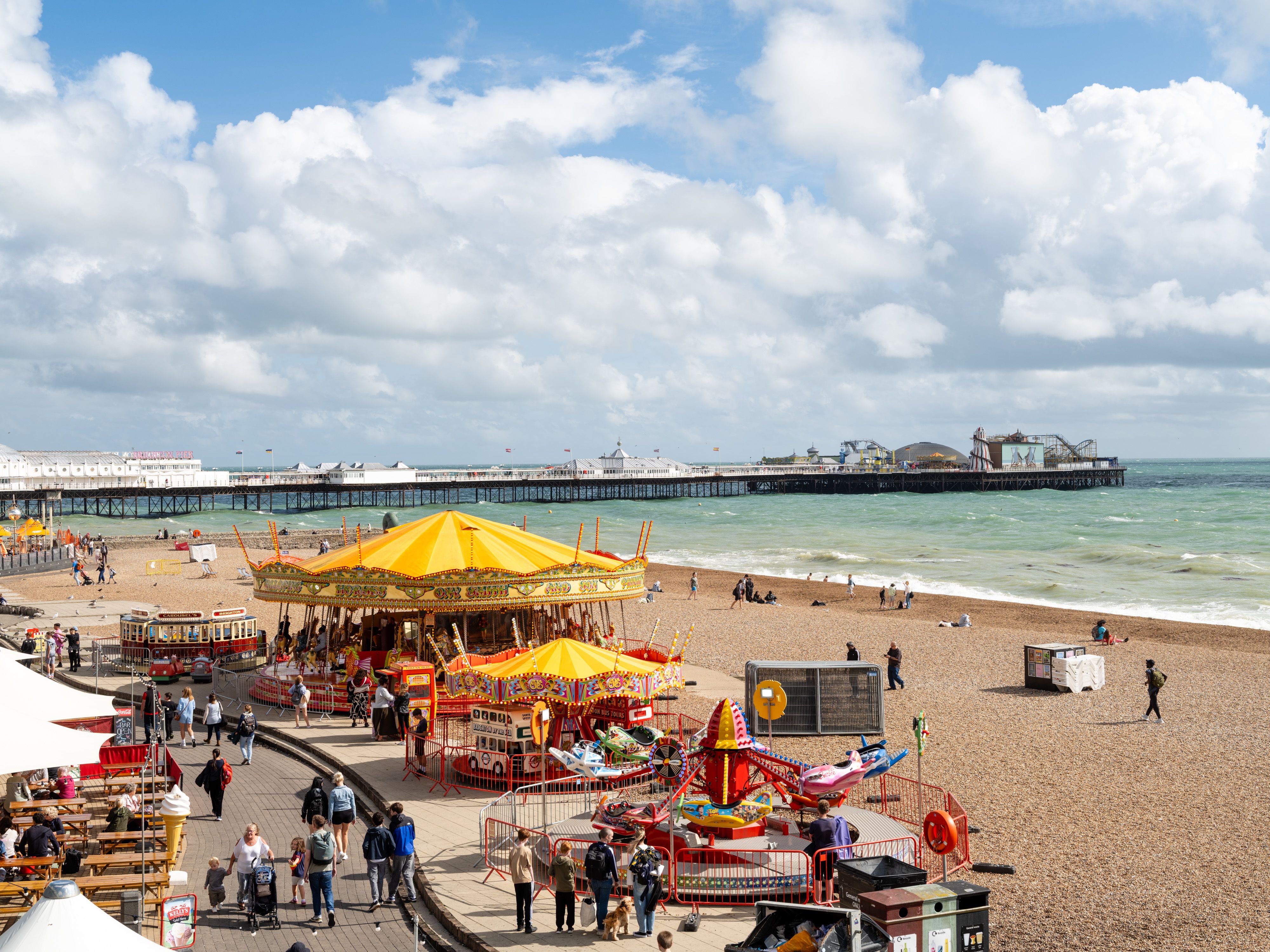
The portraits that accompany this piece show just some of those the UCL Policy Lab has spoken and worked with. Each are contributing to their making their community, neighbourhood and country a better place. Working together, they show a Britain capable of rebuilding from the bottom up.
As Linda from the Wilton Lodge Community Association when asked howe we can rebuild Britain “If we each do our bit, in the place that we love, then it’s like a jigsaw, it’ll come together”.
One piece at a time, from the bottom up.
To hear more about these projects and the work with Demos and other head to our website ucl.ac.uk/policy-lab

 Built with Shorthand